When Maria Martin arrived from Brazil six months ago, she didn’t just cross countries – she crossed calendars, cafeterias, classrooms, and comfort zones. Her school year used to begin in January and end in December. Homework was heavier, there were endless assignments and numerous subjects. Now? Fewer subjects, fewer assignments, football games under blinding stadium lights, and fast food that somehow tastes better than it should.
Maria didn’t come to the United States because it had always been her dream. She came because her dad and her oldest friends had once been exchange students themselves, and they said one simple thing: Do it. They promised it would be a good experience. They were right – though none of them mentioned how strange it feels to pronounce words “the wrong way” or how quickly a place can start to feel like home.
Her first impressions were a mix of surprise and curiosity. The culture felt different, the food unfamiliar, and yet the people – unexpectedly – were incredibly kind.
“Everyone is really nice,” she says, still sounding slightly amazed by it. It wasn’t what she expected, but maybe that’s the point of exchange: to be surprised.
Of course, no exchange experience is complete without missing home. For Maria, it’s her family and friends – the people who know her without explanation, who speak her language in every sense of the word. Yet distance has a way of revealing love.
When her dad suffered a heart attack back home, Maria experienced one of the hardest moments of her exchange. Far from her family, she was forced to be strong on her own. But she wasn’t alone. Her friends and host family surrounded her with care, checking in constantly, reminding her she mattered.
“They made me feel welcomed and loved,” she says. In that moment, the exchange stopped being just an adventure and became something deeper.
Living with a host family wasn’t easy at first. “It was weird in the beginning,” Maria says. She didn’t know them, and leaving her own family felt unnatural. But slowly, awkwardness turned into routine, and routine turned into connection. Now, she describes her relationship with them as really good – the kind of bond that sneaks up on you when you’re not looking.
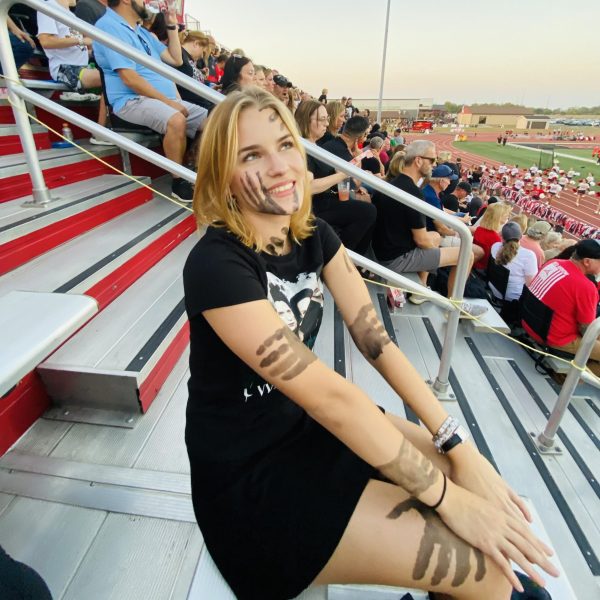
If there’s one thing Maria didn’t expect to love, it’s the most stereotypically American thing of all: fast food. “I know it’s not good,” she said, “but I love it.” She’s also fallen for high school football games –the noise, the energy, the feeling that everyone belongs to something together. It’s loud, chaotic, and completely unforgettable.
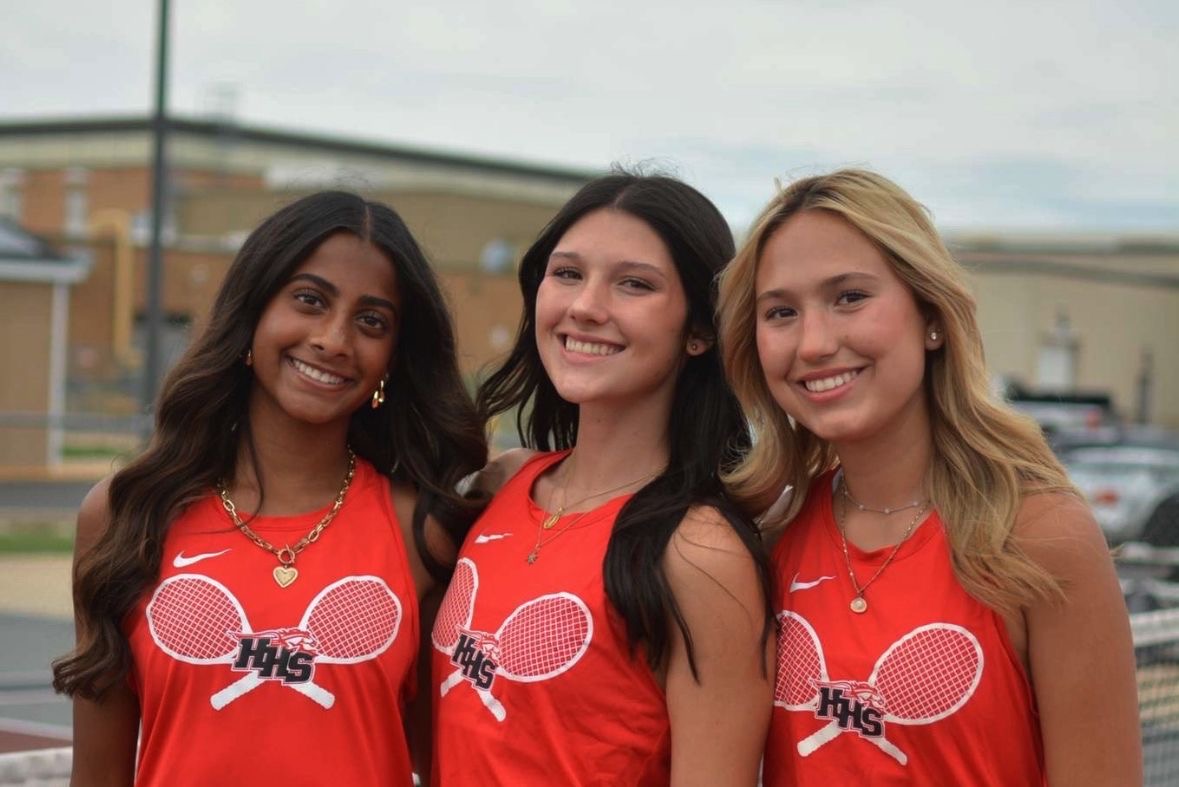
Making friends wasn’t as hard as she thought it would be. Joining the tennis team early on helped, opening doors to friendships and connections that quickly spread. People introduced her to others, and before she knew it, she had a community. Still, there were awkward moments – mostly involving her accent and the occasional mispronounced word. But those moments became stories, and stories became part of her charm.
Over time, the biggest change happened quietly. Maria became more independent. Back home, her parents did everything for her. Here, she learned to do things on her own –to trust herself, to stop worrying so much about what others think.
“In Brazil, I care more about people’s opinions,” she says. “Here, I don’t really care – and that feels freeing.”
This exchange has even changed how she sees her future. Her goals, her career ideas, her sense of independence – all shifted. The world feels bigger now, and so do the possibilities.
If Maria could give one piece of advice to future exchange students, it would be simple: Do it. It opens doors, changes perspectives, and makes you appreciate what you have back home – especially family and friends. And to local students? Be kind. Be welcoming. Help when you can. Because being in a new country, speaking a new language, surrounded by strangers, is harder than it looks.
When asked to describe her exchange in three words, Maria doesn’t hesitate: happy, friendship, learn. And years from now, when she looks back, it won’t be the homework or the culture shock she remembers most. It will be the people – her friends, her host family – and the feeling of finding a second home she never expected.